Coming Home: Dignity, Presence, and Embodied Leadership
A contemplative leadership retreat for people in helping and leadership roles who are longing to reconnect with themselves, their work, and what matters most.
September 20-24, 2026
An Invitation
Many people in helping and leadership roles spend years holding space for others—listening, responding, leading, absorbing.
Over time, something subtle can happen: parts of ourselves grow quiet. Our bodies speak more softly. Our inner knowing becomes harder to hear.
Coming Home is an invitation to pause and return.
To dignity. To presence. To the embodied wisdom that sustains humane leadership over time.
This retreat is not about becoming someone new. It is about remembering who you already are.
Why Coming Home Matters
Leadership today is often shaped by urgency, productivity, and performance.
For those who work in care-centered, relational, or justice-oriented roles, this can create a painful tension between how we are asked to lead and how we long to live and serve.
Coming Home exists because leadership cannot be sustained on effort alone.
We need places that:
honor our full humanity
restore relationship with body and breath
make room for silence, reflection, and meaning
center dignity, not as an ideal, but as a lived practice
This retreat offers such a place.
What Makes This Retreat Different
This is not a conference.
It is not a training or certification.
It is not therapy.
Coming Home is a contemplative leadership retreat grounded in:
dignity-centered and trauma-aware leadership
relational accountability
reflective and narrative practices
embodied and land-based ways of knowing
The emphasis is on integration rather than information and on presence rather than performance.
What You Will Walk Away With
This retreat is not about information, it is about transformation that stays with you.
By the end of our time together, you can expect to leave with:
A clearer sense of your inner compass - A deeper connection to your “true self,” with language, imagery, and practices that help you honor your internal experience rather than override it.
The capacity to listen differently - Practical skills in radical listening that you can bring into conversations with patients, colleagues, students, loved ones, and communities.
A new relationship with story and meaning - A deeper understanding of narrative medicine and storytelling as tools for reflection, healing, and transformation—in yourself and in those you serve.
Concrete communication practices - Tools drawn from Nonviolent Communication to help you express needs, set boundaries, and navigate conflict with clarity and compassion.
A lived understanding of dignity - A language and framework for recognizing, protecting, and restoring dignity in everyday interactions and systems.
Embodied leadership practices - Grounded rituals and practices to support you before, during, and after difficult conversations, clinical encounters, or leadership moments.
A reconnection to creativity and joy - Playful and pleasure-affirming practices that help restore curiosity, imagination, and aliveness in your work and life.
Leadership rooted in humanity, not performance - Approaches to leadership that cultivate psychological safety, relational accountability, and presence over perfectionism.
A personal “Reclaim” commitment - A written or symbolic articulation of how you intend to care for yourself, your work, and your communities moving forward.
A felt sense of being seen and accompanied - The experience of being in a circle where your work, your weight, and your humanity are understood—and where you do not have to carry it alone.
Who This Retreat Is For

This retreat is for people in helping and leadership roles who:
have spent years caring for others
carry responsibility for people, systems, or culture
sense that parts of themselves have gone quiet along the way
want to lead with dignity, mutuality, and humanity
are longing to reconnect with their voice, body, and inner knowing
Participants often come from healthcare, education, social services, community leadership, advocacy, spiritual care, nonprofit work, and related fields—but no single profession defines this circle.
What matters most is a shared orientation toward care, reflection, and ethical leadership.
The Rhythm of the Retreat
Over several days, we will gather in a gentle rhythm of land, body, mind, and soul.
Rather than a tightly packed agenda, the retreat offers spaciousness—allowing insight, clarity, and renewal to emerge organically.
Across our time together, the retreat unfolds through four guiding themes:
Remember
We begin by slowing down and listening—remembering what has been carried, what has been set aside, and what still longs to be heard. Through reflection, story, and shared presence, we reconnect with the deeper threads of our lives and leadership.
Root
As we settle into the land and into our bodies, we focus on grounding and regulation. Rooting invites steadiness, safety, and a renewed sense of belonging—within ourselves, with one another, and with the place that holds us.
Rise
From this grounded place, new clarity and ethical direction can emerge. Rising is not about striving or fixing, but about allowing voice, insight, and leadership shaped by dignity and mutuality to take form.
Return
On our final day, we turn toward integration—considering how what has been remembered, rooted, and clarified can be carried back into our lives and work with greater presence and intention.
Throughout the retreat, we will explore practices such as:
radical listening
narrative medicine and reflective writing
storytelling, myth, and meaning
embodied and somatic awareness
dignity-centered, trauma-aware leadership
relational accountability rooted in care rather than control
There will be time for guided exploration, shared dialogue, solitude, rest, and informal connection.
What We Will Explore Together
While the retreat is intentionally spacious, our time is thoughtfully held through a series of guided experiences and practices.
Across the four days, you will be invited into:
Guided reflection and contemplative practice - Including journaling, silent reflection, and facilitated inquiry to reconnect with your inner voice.
Radical listening and relational dialogue - Small-group and full-circle conversations grounded in presence, mutuality, and deep listening.
Narrative medicine and storytelling - Using story, metaphor, and lived experience as pathways to meaning-making and integration.
Embodied and somatic awareness - Practices that support nervous system regulation, grounding, and reconnection with the body.
Dignity-centered and trauma-aware leadership - Exploring how dignity is created, protected, and lived in everyday leadership and care.
Nonviolent Communication in practice - Real-time application of communication tools that support clarity, compassion, and boundary-setting.
Creative and expressive exploration - Guided by our Artist-in-Residence, including writing, imagery, and playful inquiry as forms of insight.
Land-based and nature-connected experiences - Time in the natural environment as a way to deepen reflection, grounding, and belonging.
Integration and meaning-making - Space to pause, synthesize, and translate insight into your life and leadership.
This is not about doing more. It is about experiencing differently.
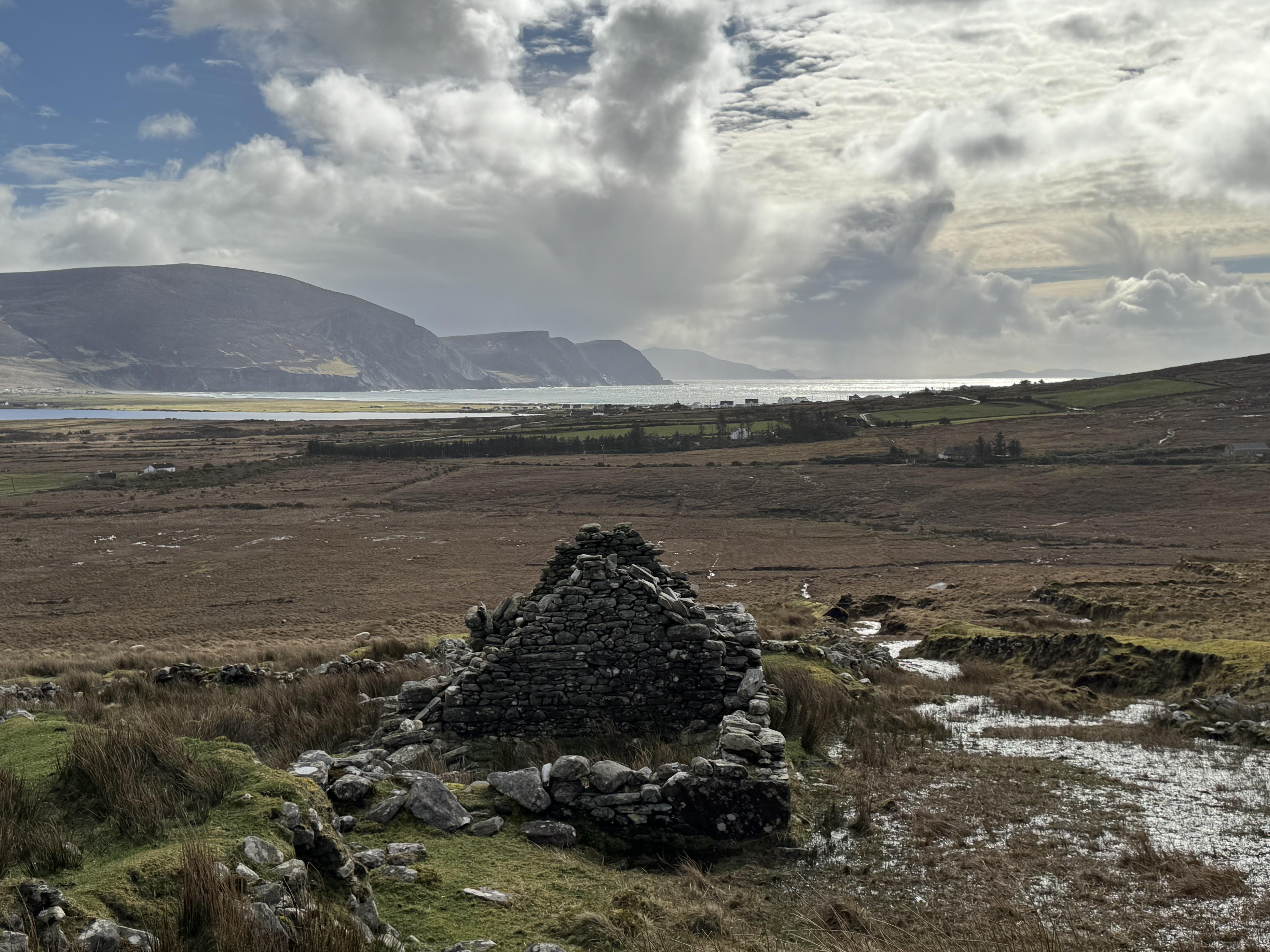
A Trauma-Aware, Dignity-Centered Approach

The retreat is informed by trauma-aware and healing-centered perspectives, recognizing how care, responsibility, and relationship shape our nervous systems over time.
Dignity is treated not as a concept, but as a condition — something created through safety, mutuality, voice, and respect.
You will not be asked to perform vulnerability or disclose personal history.
You will be invited to listen - to yourself, to others, and to what the moment calls forth.
Facilitation & Holding
Coming Home is guided by a small, intentional team, each bringing a distinct form of presence and expertise to the circle.
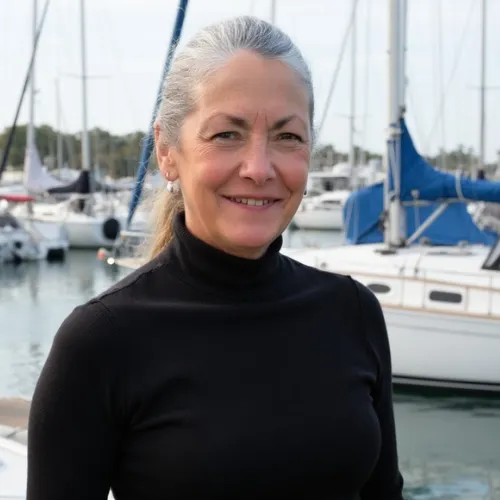
The retreat is co-facilitated by Mary Coughlin, MS, NNP-NCC-E, Trauma-informed Professional, Caritas Coach® and Jennifer Griggs, MD, MPH, FASCO whose work centers on dignity, presence, and leadership grounded in humanity.
Mary’s work integrates trauma-aware, relational, and contemplative approaches to leadership, with a long-standing focus on care, presence, and ethical responsibility within human systems.
Jennifer brings deep expertise in dignity-centered leadership, helping individuals and groups explore how dignity is embodied, protected, and lived in everyday leadership practice.
Jessica Brown, PhD, serves as Artist-in-Residence, weaving creative, narrative, and reflective practices throughout the retreat. Her presence invites participants into meaning-making through story, creativity, and embodied reflection offering additional pathways for insight beyond words alone.
Together, the facilitation team holds a space that is thoughtful, grounded, and relational allowing participants to arrive as they are and engage at their own pace.


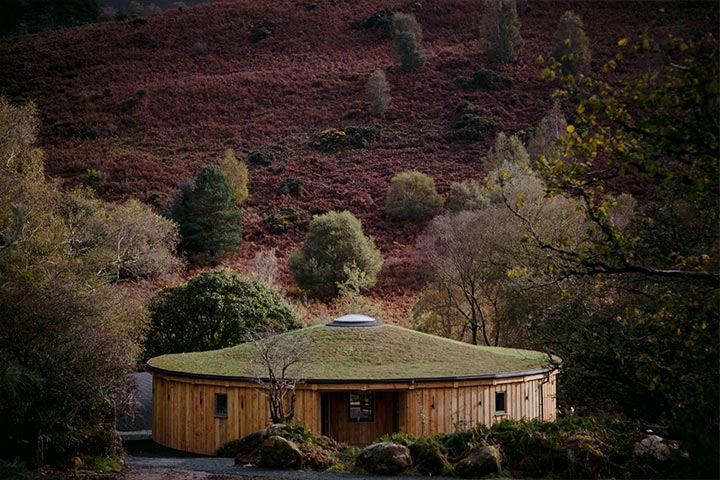
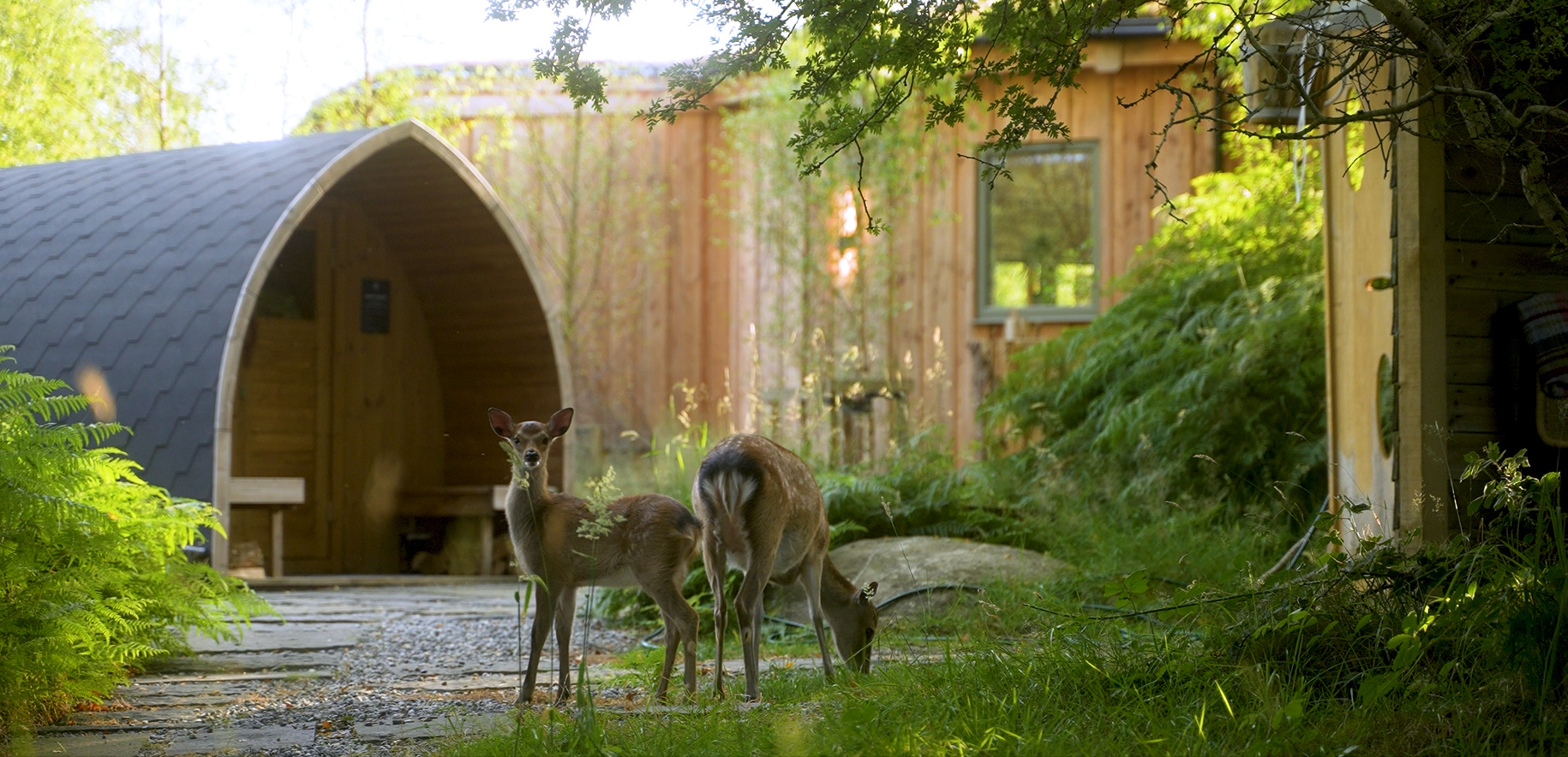
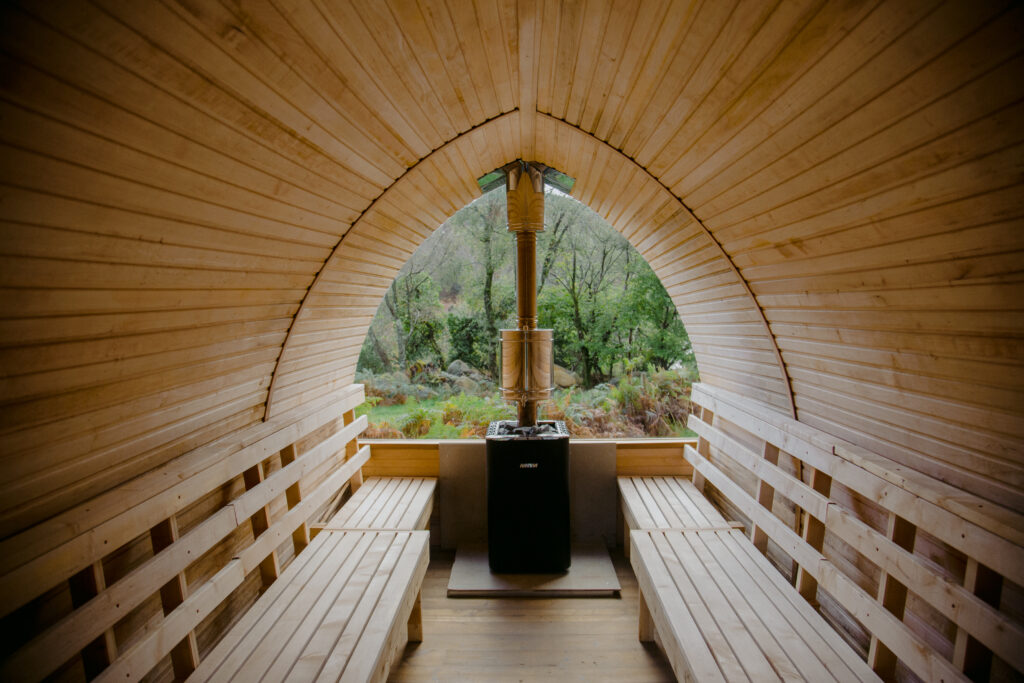
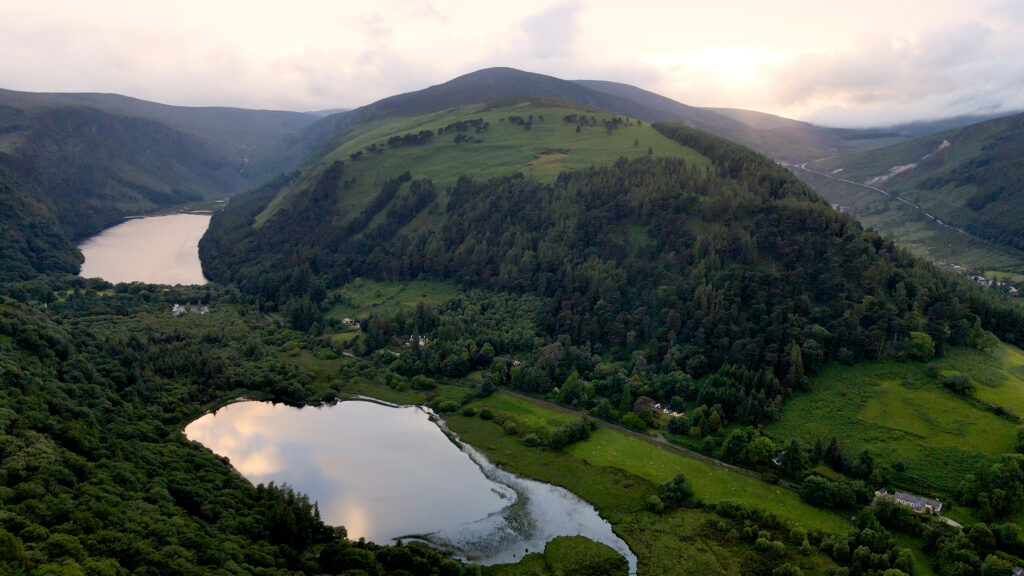
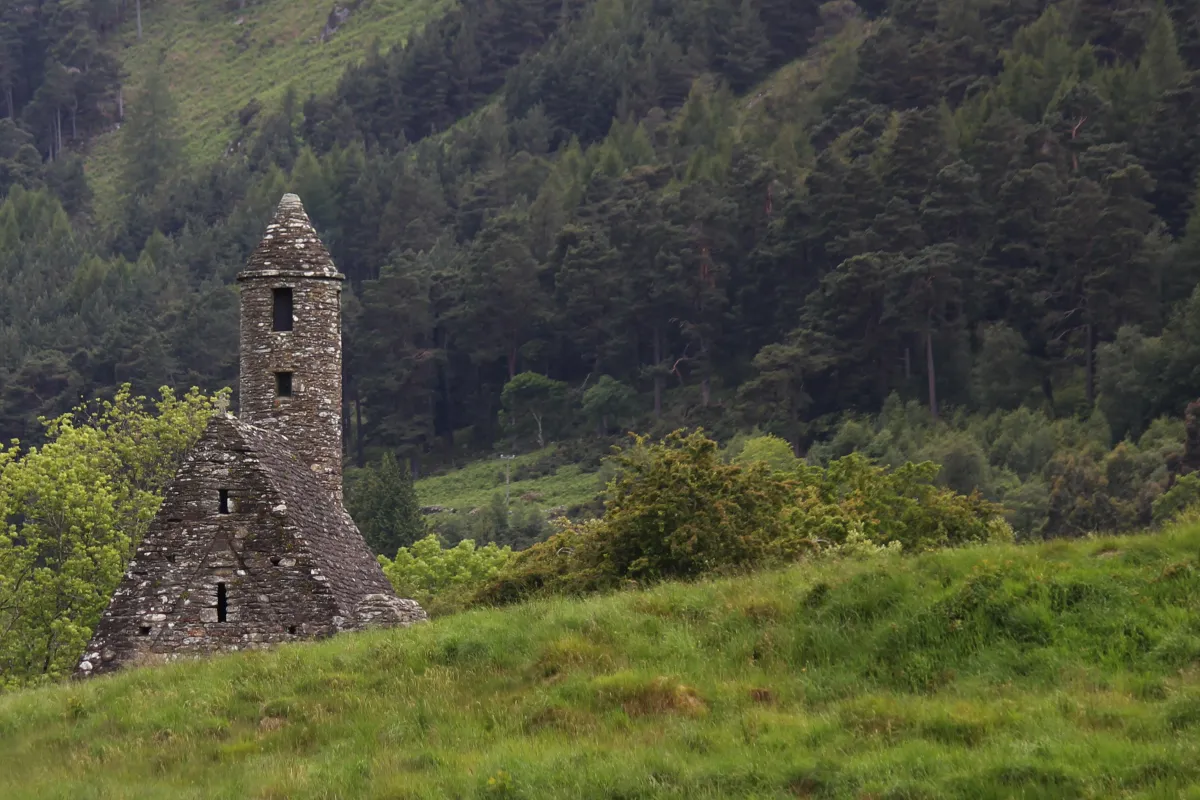
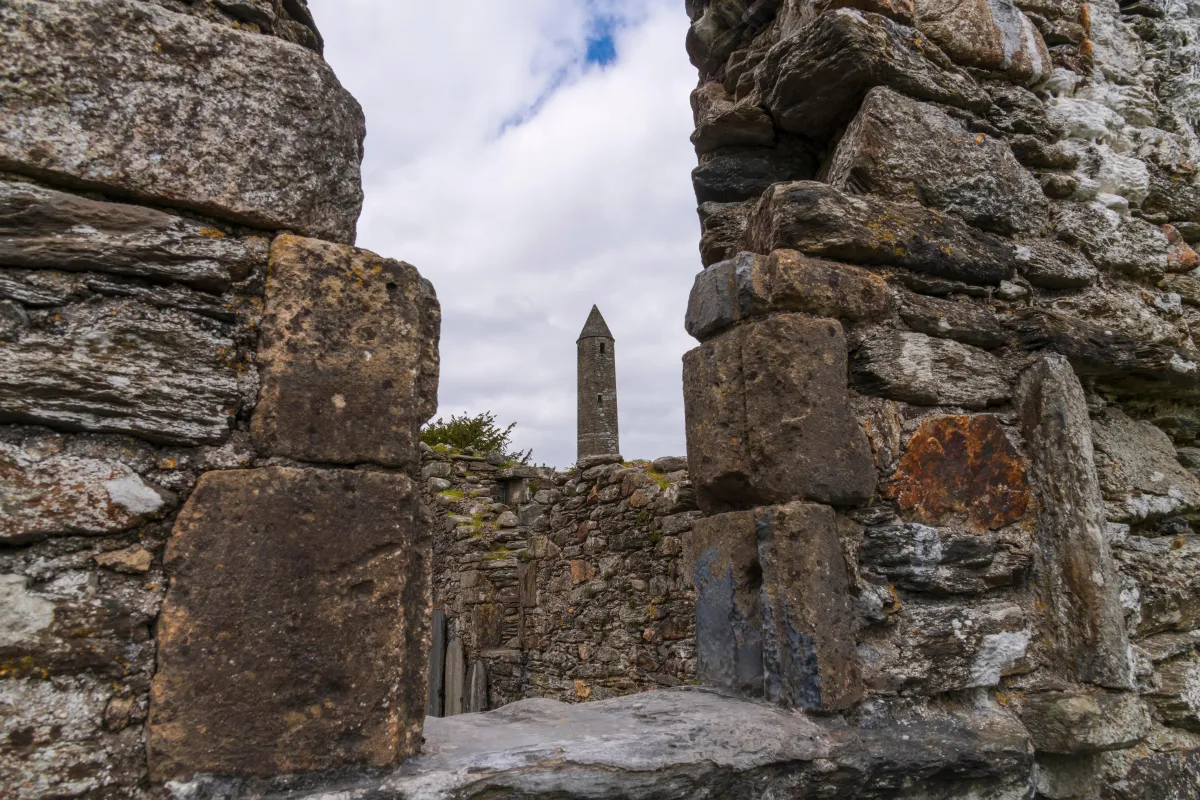
The Setting: The Deerstone, County Wicklow Ireland
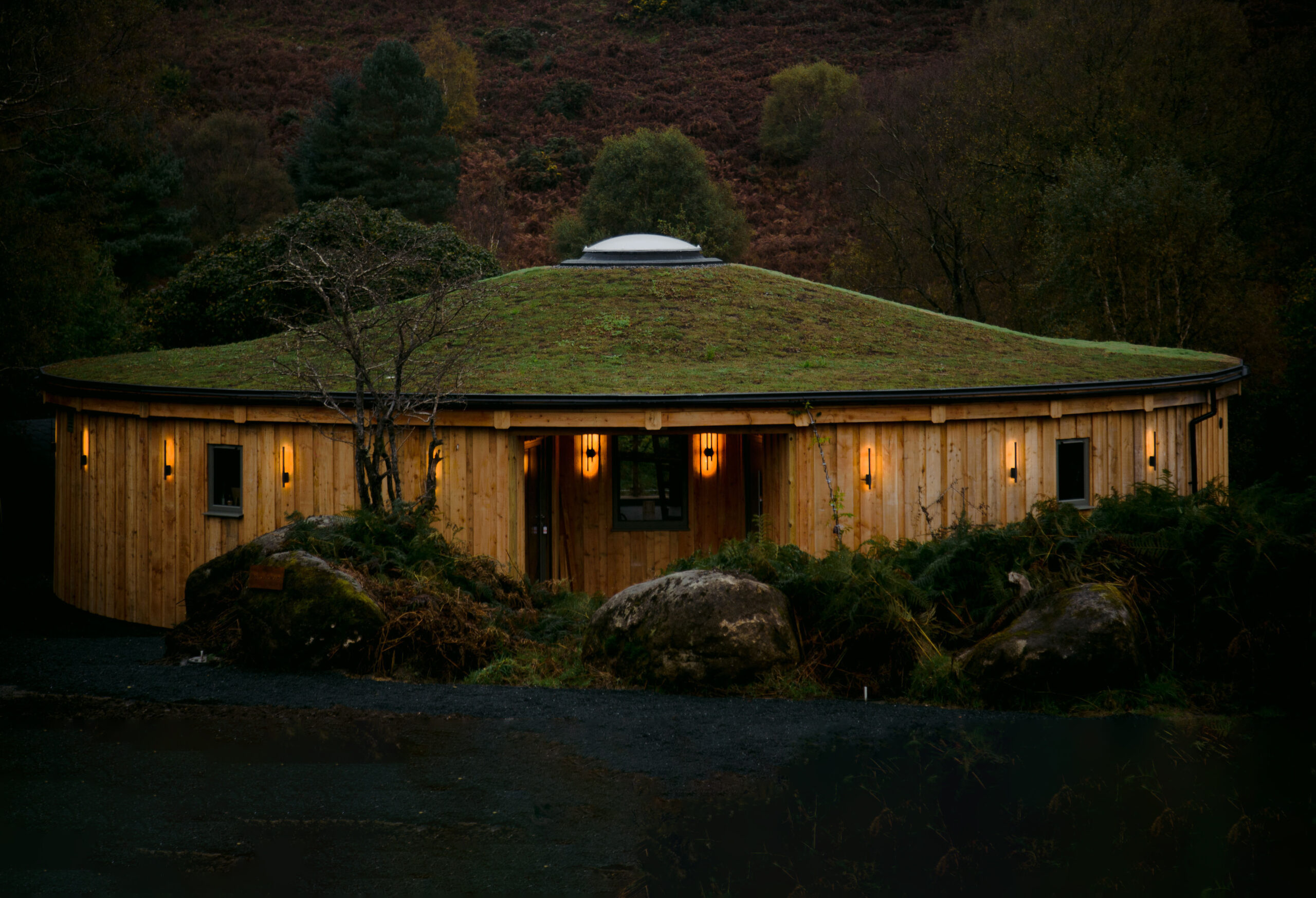
The retreat is held at The Deerstone, a quiet, land-rooted retreat center in County Wicklow.
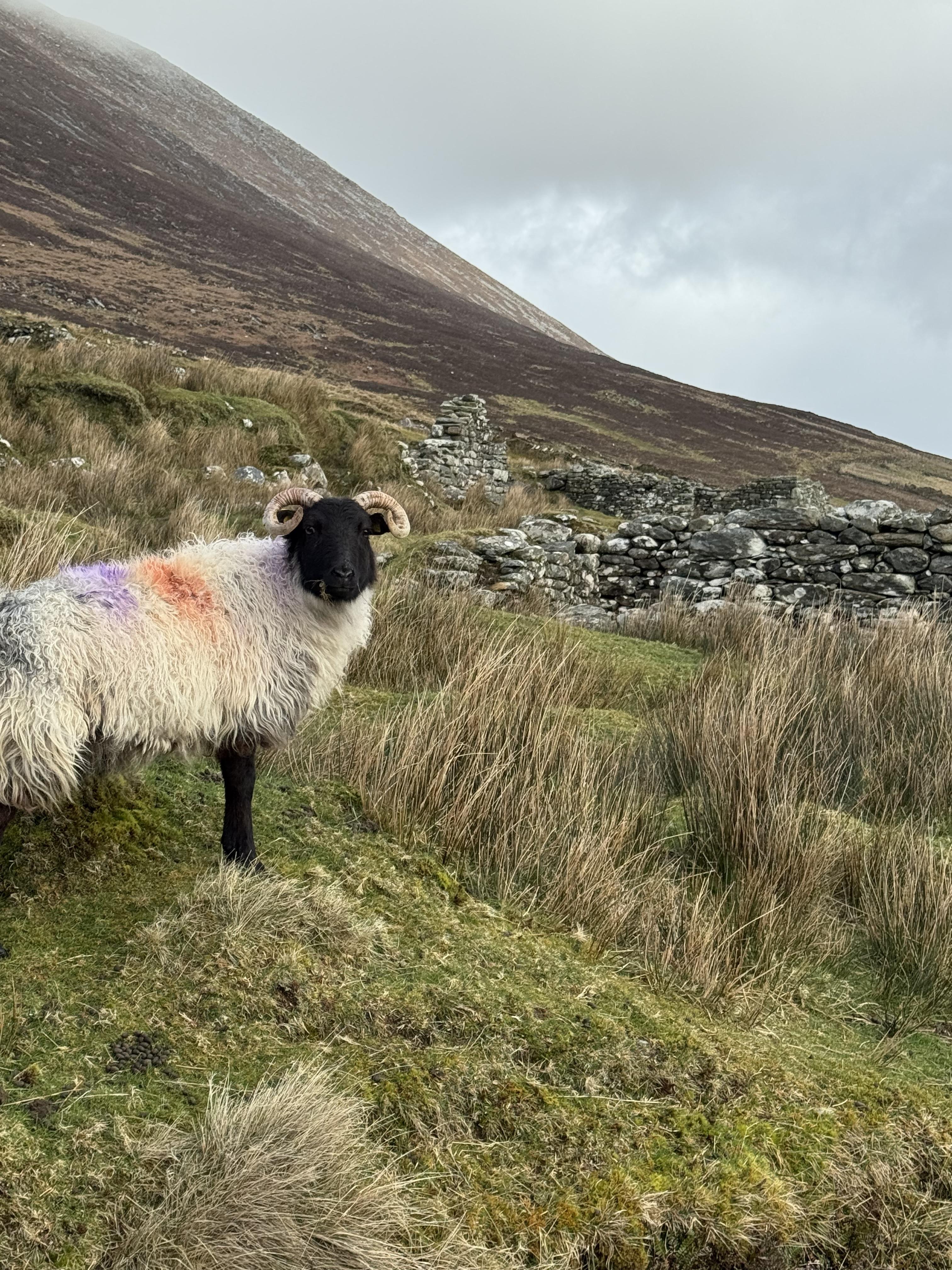
The landscape itself becomes a companion in the work—offering steadiness, beauty, and a sense of belonging that cannot be manufactured.
Nature is not an accessory here; it is a co-facilitator.


The Investment & Commitment
Coming Home is intentionally small and relational.
To hold the retreat with care, clarity, and integrity, we ask participants to make a clear commitment by late spring.
Investment
Total retreat investment: $3,495 USD
This investment includes lodging, meals, facilitation, and all retreat materials.
Travel to and from Ireland is not included.
Commitment Timeline
To reserve your place in the retreat:
$500 non-refundable deposit due by May 1, 2026
Remaining balance of $2995 is due by September 1, 2026
Participants may choose to:
pay the remaining balance in full, or
pay 4-monthly installments between May and September of $748.75 USD
There is no additional fee for paying in installments.
A Note on Deposits & Group Size
The $500 deposit is non-refundable, as it allows us to responsibly secure the retreat space and plan with care.
In the event that we do not reach the minimum number of participants required to move forward, all deposits will be fully refunded.
This threshold helps ensure the retreat can be held with the depth, presence, and containment it is designed to offer.
Frequently Asked Questions
Who is this retreat for?
This retreat is for you if:
- you work in a helping or care-centered role (including healthcare, public health, education, counseling, social work, community organizing, advocacy, spiritual
care, nonprofit leadership, law, restorative justice, humanitarian or NGO work, and related fields)
- you sense that parts of yourself have gone quiet in the process of caring for others and want to reconnect with your own voice, body, joy, and inner guidance
- you are curious about leading with dignity, practicing radical listening, and working in ways that honor your humanity and the humanity of those you serve
- you long for community where you don’t have to prove your worth, where authenticity and confidentiality are respected
Over several days in a contemplative setting in Ireland, you’ll be invited into a rhythm of land, body, mind, and soul, with spaciousness, silence, and gentle structure alongside guided sessions.
What can I expect?
You can expect a thoughtfully held, spacious experience that invites reflection, connection, and renewal.
This is not a conference or a training. There are no presentations to absorb or outcomes to perform. Instead, the retreat is designed as a guided, relational experience—where insight emerges through reflection, dialogue, embodied practice, and time on the land.
There will be a gentle rhythm of structured sessions, small-group conversations, creative exploration, and quiet time for rest and integration.
What will I leave with?
While each person’s experience is unique, participants often leave with a clearer sense of themselves, practical tools for communication and leadership, and a renewed connection to their work and purpose.
Many also describe leaving with language, practices, and commitments that continue to shape how they live and lead long after the retreat ends.
Can you tell me more about the Artist-in-Residence?
Jessica Brown, PhD, serves as Artist-in-Residence and acts as a companion in imagination and making. She offers gentle, accessible creative practices (such as simple drawing, collage, sound, or movement) that support meaning-making through myth, symbol, and story.
Creative offerings are optional and integrated thoughtfully with the facilitation team so that art supports trauma-aware pacing, nervous-system regulation, and dignity, rather than performance or product.
Where is the retreat held, and how do I get there?
The retreat will be held at The Deerstone in County Wicklow, Ireland, a quiet rural setting with forest, fields, and walking paths.
Most participants will fly into Dublin Airport, followed by a 60–90 minute drive. Closer to the retreat, we’ll share detailed travel guidance and help coordinate taxis, shared shuttles, or ride-shares where possible.
What are the arrival and departure times?
Participants will arrive in the late afternoon on the first day, with an opening circle in the early evening. We’ll close by late morning or early afternoon on the final day to support return travel. Recommended flight windows will be shared once the schedule is finalized.
What should I bring?
You’ll want comfortable clothing suitable for time outdoors, layers for changing weather, and shoes for walking on uneven ground. Many participants also bring a favorite notebook or writing instrument.
All materials needed for the retreat will be provided. You’re not expected to bring anything special or to prepare in advance.
What’s included in the cost?
Your registration includes a private room, all meals during the retreat, and all facilitated sessions and materials. Travel to and from Ireland, travel insurance, and any additional nights outside the retreat dates are not included.
What are supported places?
Supported places are a small number of partially supported registrations built into the structure of the retreat once the circle is fully resourced.
Rather than treating access as an afterthought, we’ve designed the retreat so that reaching a full group allows us to offer two supported places, reflecting our commitment to dignity, equity, and mutual care.
Details about supported places will be shared once enrollment is confirmed. We approach this process with care and discretion, and no participant is asked to carry responsibility for another’s access.
Why this works:
- No “financial hardship” framing
- No moral pressure on participants
- No transactional explanation
- Emphasizes design, not charity
This is one way we practice the values the retreat is grounded in.
When do payment plans begin?
Payment options (pay-in-full or installments) will be offered once we reach a confirmed group of 16 participants. All remaining balances are due by September 1, 2026, with no additional fees for installment plans.
This pacing allows us to hold the retreat responsibly and make supported places possible.
Can you provide an invoice or documentation for my employer?
Yes. We’re happy to provide an invoice or receipt for reimbursement, and we can tailor language to meet your organization’s requirements (e.g., leadership development, professional well-being).
Are continuing education credits available?
We are exploring continuing education options and will update participants once confirmed. Regardless, we can provide a certificate of completion outlining themes and hours for professional portfolios.
Is this retreat accessible?
We are designing the retreat with a trauma-informed lens, attending to physical and emotional safety, consent, and choice. Within the limits of the site, we’ll share concrete details about layout, mobility considerations, sensory environments, and meals in advance, and we’ll work with you individually to navigate specific access needs.
I’m an introvert. Will this feel overwhelming?
Not at all.
The retreat is intentionally designed to honor different ways of being and participating. There is no expectation to speak in large groups or share more than you wish.
There will be opportunities for small-group dialogue, quiet reflection, and time alone. Many introverts find this kind of space deeply nourishing.
What about whiteness and power?
We take seriously the risk of centering whiteness, particularly in a retreat held in Ireland with white facilitators. We will name identities, commitments, and limits directly; include wisdom from global majority traditions (with attribution and consent); and address structural racism, colonialism, and misogyny explicitly.
We are committed to feedback, accountability, and real-time repair, and we hold this work as ongoing and imperfect.
What does “dignity-centered” and “trauma-aware” mean in this context?
Dignity is understood as something we experience in relationship—through being seen, respected, and valued.
A trauma-aware approach recognizes how our experiences, roles, and responsibilities shape our nervous systems, relationships, and ways of leading.
In practice, this means the retreat is designed with attention to:
a.) psychological safety
b.) choice and autonomy
c.) relational respect
d.) pacing and nervous system awareness
You will not be asked to perform, disclose, or participate in ways that feel unsafe.
Do I need prior experience with trauma-informed care, leadership work, or reflective practice?
No prior experience is required.
The retreat welcomes people from a wide range of backgrounds and disciplines. What matters most is a willingness to reflect, to be present, and to engage with curiosity and care.
What does a typical day look like?
Each day follows a gentle rhythm rather than a rigid schedule.
You can expect a blend of:
a.) guided group sessions
b.) small-group dialogue
c.) creative and reflective practices
d.) time in nature
e.) space for rest and integration
There will be breaks throughout the day, and the pace is intentionally designed to feel spacious rather than intensive.
If you have a question that isn’t answered here, you’re welcome to reach out.
We’re holding this retreat with care — including how we communicate.
A Commitment Rooted in Care
We recognize that committing to a retreat of this nature is both a financial and personal decision. Our aim is to be transparent and humane in the process, reflecting the very values of dignity, mutuality, and care that shape the retreat itself.
If you have questions about timing or payment options, you are welcome to reach out.
Invitation to Begin
If Coming Home resonates, we invite you to join us in Ireland September 20-24, 2026.
FOLLOW US


COMPANY
SUPPORT
LEGAL
© Copyright 2013- 2026 Caring Essentials. All Rights Reserved.